You deserve a home that brings you ease. I can help.
We call it “housework” or “chores,” words that speak of drudgery and even punishment.
TENDING comes from the latin tendere - to stretch towards.
Tending comes from the same root as tender.
Cleaning and organizing the home is tender. And it is an experience that registers in our bodies.
When we tend to the home, making the spaces we live in beautiful and functional, we are tending to ourselves, and the web of relationships that holds us.
The dominant cultural storyline will tell us that a messy, cluttered home is shameful. But actually, it’s understandable. Life is full, and things hold memories. Setting up systems to keep a home organized requires a lot of trial and error.
Compassion creates space for action.
Shame shuts us down. Compassion creates possibility.
This guidebook includes strategy and somatic practices to help you approach major home decluttering projects with compassion for yourself, and for your family. Using a combination of strategy and embodiment practices, this workbook will guide you through the process I use in my professional work as a home organizer to help people create systems in their homes that allow for more ease, warmth, and connection.
This guidebook helps you strategize - because taking on big decluttering and organization projects require strategy.
But it isn’t only about the strategy; it’s about returning home to yourself, and creating a space that brings you ease.
The guidebook comes with accompanying audio in small segments, so you can listen to me guide you through it as you work, or you can take the process bit by bit without having to watch a long video.
Upon purchase you’ll receive a link to download the guidebook, which includes links to the audio. If you have any questions as you go through it, I’ll be happy to answer them - just send me an email.
I started professionally home organizing when I was working on my manuscript for Returning Home to Our Bodies. I needed to supplement my income while I worked intensively on the manuscript, and I needed work that was tangible and physical. Over several months of working with people to help them organize their mudrooms, basements, living rooms, closets, and everything else, I realized that home organizing, done with a somatic framework, is a process that enlivens.
People begin to glow when their homes are beautiful, clean, and functional. Weight is lifted from their shoulders, and their homes fit their lives with ease and grace. It’s beautiful to witness, and it’s a joy to share this guidebook with you so you can bring that lightness into your own life.
You deserve a home that brings you ease. I can help.
We call it “housework” or “chores,” words that speak of drudgery and even punishment.
TENDING comes from the latin tendere - to stretch towards.
Tending comes from the same root as tender.
Cleaning and organizing the home is tender. And it is an experience that registers in our bodies.
When we tend to the home, making the spaces we live in beautiful and functional, we are tending to ourselves, and the web of relationships that holds us.
The dominant cultural storyline will tell us that a messy, cluttered home is shameful. But actually, it’s understandable. Life is full, and things hold memories. Setting up systems to keep a home organized requires a lot of trial and error.
Compassion creates space for action.
Shame shuts us down. Compassion creates possibility.
This guidebook includes strategy and somatic practices to help you approach major home decluttering projects with compassion for yourself, and for your family. Using a combination of strategy and embodiment practices, this workbook will guide you through the process I use in my professional work as a home organizer to help people create systems in their homes that allow for more ease, warmth, and connection.
This guidebook helps you strategize - because taking on big decluttering and organization projects require strategy.
But it isn’t only about the strategy; it’s about returning home to yourself, and creating a space that brings you ease.
The guidebook comes with accompanying audio in small segments, so you can listen to me guide you through it as you work, or you can take the process bit by bit without having to watch a long video.
Upon purchase you’ll receive a link to download the guidebook, which includes links to the audio. If you have any questions as you go through it, I’ll be happy to answer them - just send me an email.
I started professionally home organizing when I was working on my manuscript for Returning Home to Our Bodies. I needed to supplement my income while I worked intensively on the manuscript, and I needed work that was tangible and physical. Over several months of working with people to help them organize their mudrooms, basements, living rooms, closets, and everything else, I realized that home organizing, done with a somatic framework, is a process that enlivens.
People begin to glow when their homes are beautiful, clean, and functional. Weight is lifted from their shoulders, and their homes fit their lives with ease and grace. It’s beautiful to witness, and it’s a joy to share this guidebook with you so you can bring that lightness into your own life.
 Image 1 of 7
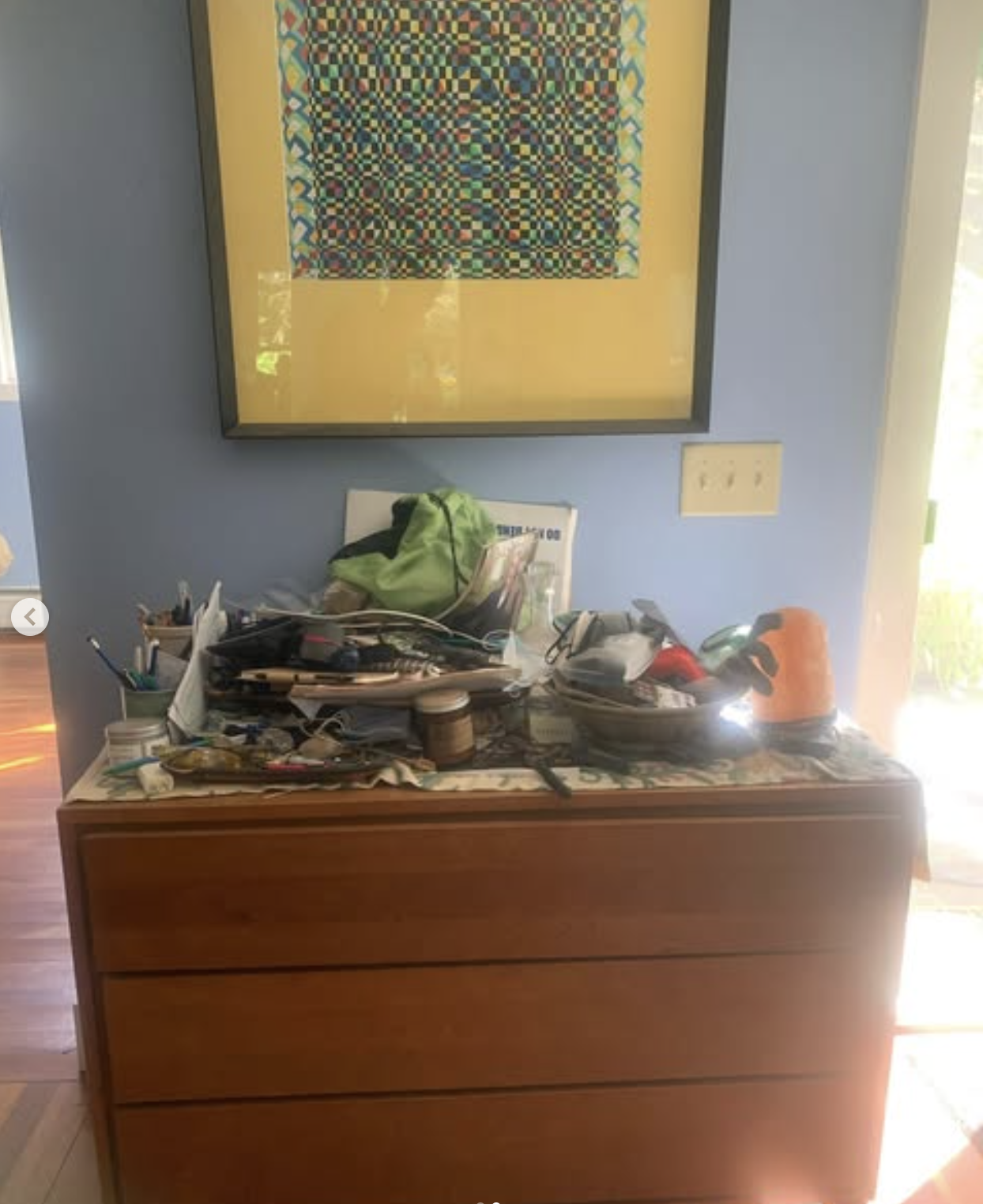 Image 2 of 7
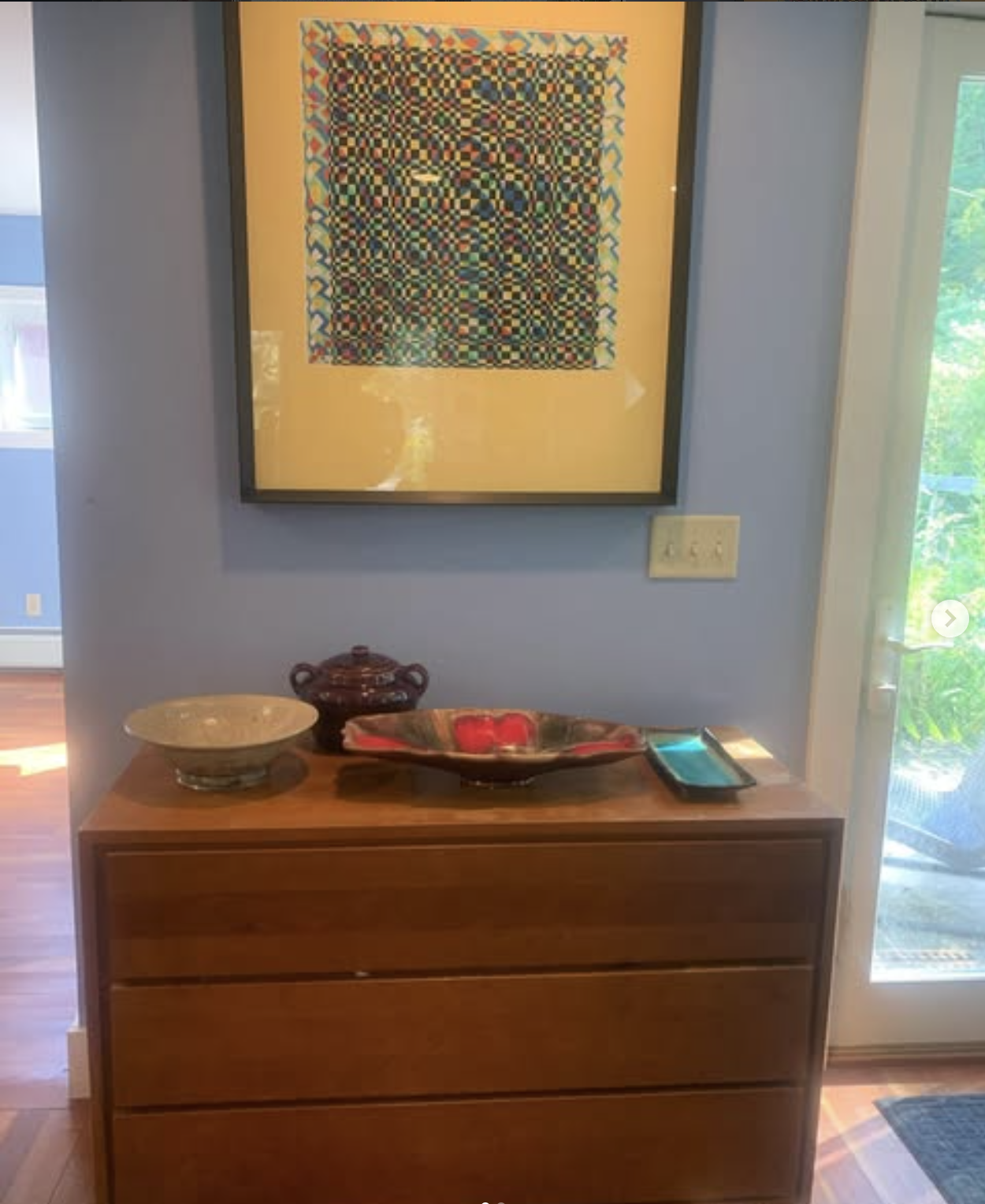 Image 3 of 7
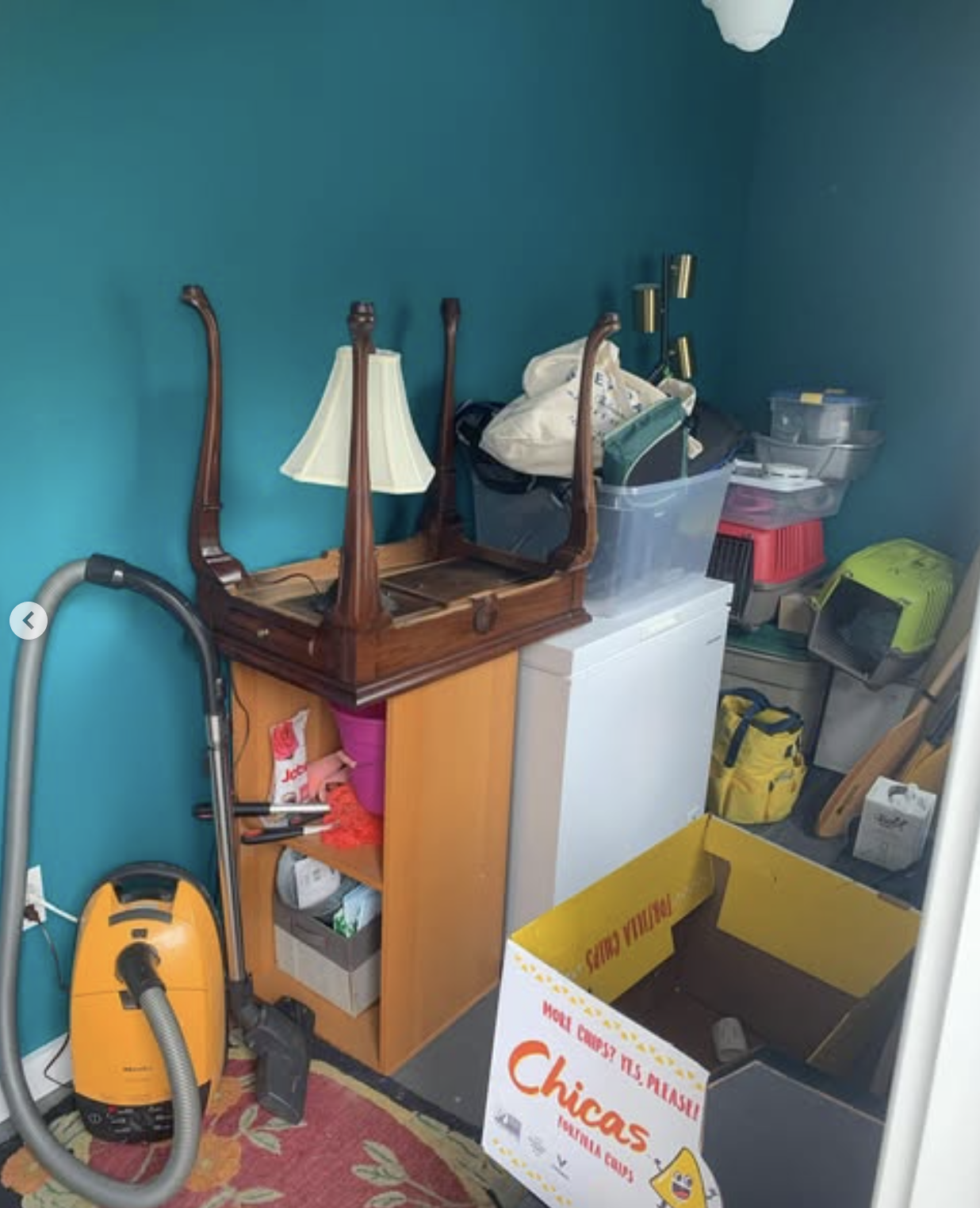 Image 4 of 7
 Image 5 of 7
 Image 6 of 7
 Image 7 of 7